
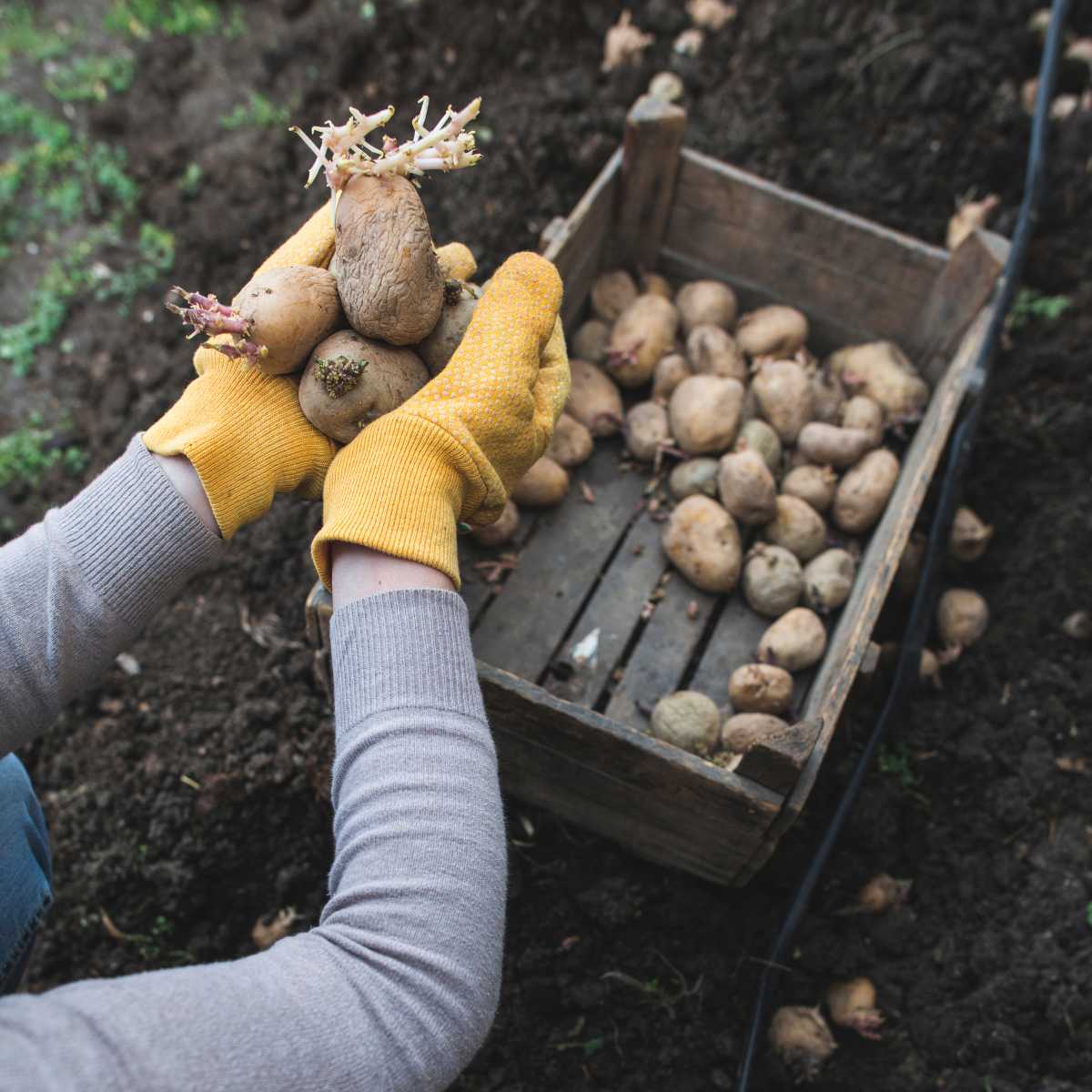
The Basics of Potato Seedlings
Potato seedlings are young potato plants that are grown from seed potatoes. These seedlings are the starting point for growing your own potatoes at home or on a larger scale. Here are some key points to know about potato seedlings:
Choosing Seed Potatoes
When selecting seed potatoes for planting, it is important to choose certified disease-free seed potatoes from a reliable source. Look for healthy, firm seed potatoes with eyes or sprouts for optimal growth.
Planting Process
Plant potato seedlings in well-drained soil with good sunlight exposure. Cut the seed potatoes into pieces with at least one eye per piece and allow them to dry before planting to prevent rotting. Plant the pieces in rows or mounds, ensuring proper spacing for growth.
Care and Maintenance
Water potato seedlings regularly, keeping the soil consistently moist but not waterlogged. Fertilize the plants as needed and mound soil around the base of the plants as they grow to promote tuber development and protect them from sunlight exposure.
Harvesting
Potato seedlings will mature in a few months, depending on the variety planted. Harvest by gently digging up the plants and collecting the tubers once they have reached a desirable size. Store harvested potatoes in a cool, dark place for long-term storage.
By following these basic guidelines, you can successfully grow your own potatoes from seedlings and enjoy a bountiful harvest of fresh, homegrown spuds!
9 Essential Tips for Growing Healthy Potato Seedlings
- Plant potato seedlings in loose, well-draining soil.
- Ensure the seedlings receive at least 6-8 hours of sunlight daily.
- Water potato seedlings regularly, keeping the soil consistently moist but not waterlogged.
- Hill up soil around the base of the seedlings as they grow to encourage tuber formation.
- Fertilize potato seedlings with a balanced fertilizer high in phosphorus and potassium.
- Protect potato seedlings from frost by covering them or bringing them indoors when necessary.
- Monitor for pests like Colorado potato beetles and apply appropriate controls if needed.
- Harvest potatoes when the plants start to yellow and die back, typically in late summer or fall.
- Cure harvested potatoes by storing them in a cool, dark place for 1-2 weeks before consuming or storing long-term.
Plant potato seedlings in loose, well-draining soil.
To ensure the healthy growth of potato seedlings, it is essential to plant them in loose, well-draining soil. This type of soil structure allows the roots to easily penetrate and access nutrients while ensuring excess water can drain away efficiently. By providing the right growing conditions with proper soil drainage, potato seedlings can establish strong root systems and thrive as they develop into mature plants, ultimately leading to a successful harvest of delicious homegrown potatoes.
Ensure the seedlings receive at least 6-8 hours of sunlight daily.
To ensure the healthy growth of potato seedlings, it is crucial to provide them with a minimum of 6-8 hours of sunlight each day. Sunlight is essential for photosynthesis, the process by which plants convert light energy into food for growth. Adequate sunlight exposure promotes strong stem and leaf development in potato seedlings, leading to robust plants that are better equipped to produce a plentiful harvest of potatoes later on. Therefore, placing the seedlings in a sunny location or supplementing with grow lights can help optimize their growth and overall productivity.
Water potato seedlings regularly, keeping the soil consistently moist but not waterlogged.
To ensure the healthy growth of potato seedlings, it is crucial to water them regularly while maintaining soil moisture levels. The soil should be kept consistently moist, but it is important to avoid overwatering and causing waterlogging. By providing adequate hydration without saturating the soil, potato seedlings can thrive and develop strong roots for optimal growth and tuber production. Consistent monitoring of soil moisture levels is key to promoting the overall health and productivity of potato plants.
Hill up soil around the base of the seedlings as they grow to encourage tuber formation.
To promote healthy tuber formation in potato seedlings, it is recommended to hill up soil around the base of the plants as they grow. By mounding soil around the stems, you provide additional support to the plants and protect the developing tubers from sunlight exposure. This hilling process encourages the growth of more potatoes and helps prevent them from turning green or becoming damaged. Regularly hilling up soil around the base of your potato seedlings is a simple yet effective method to ensure a successful harvest of quality potatoes.
Fertilize potato seedlings with a balanced fertilizer high in phosphorus and potassium.
To promote healthy growth and development of potato seedlings, it is recommended to fertilize them with a balanced fertilizer that is high in phosphorus and potassium. These essential nutrients play crucial roles in root development, flowering, and overall plant vigor. By providing the seedlings with the right balance of phosphorus and potassium, you can encourage strong root systems, robust plant growth, and ultimately enhance the quality and yield of your potato harvest. Remember to follow the recommended application rates to ensure optimal results for your potato seedlings.
Protect potato seedlings from frost by covering them or bringing them indoors when necessary.
To ensure the health and growth of your potato seedlings, it is crucial to protect them from frost by taking preventive measures such as covering them with a frost cloth or bringing them indoors when necessary. Frost can damage or even kill young potato plants, so being proactive in shielding them from cold temperatures is essential for a successful harvest. By providing this extra layer of protection, you can safeguard your potato seedlings and give them the best chance to thrive and produce a plentiful crop.
Monitor for pests like Colorado potato beetles and apply appropriate controls if needed.
To ensure the health and productivity of your potato seedlings, it is crucial to monitor for pests such as Colorado potato beetles. These beetles can quickly damage your plants if left unchecked. Regularly inspect the foliage for signs of beetle infestation, including eggs, larvae, or adult beetles. If necessary, apply appropriate controls such as insecticidal sprays or natural predators to manage the pest population and protect your potato seedlings from harm. By staying vigilant and taking proactive measures against pests, you can help your potato plants thrive and produce a successful harvest.
Harvest potatoes when the plants start to yellow and die back, typically in late summer or fall.
Harvesting potatoes is best done when the plants begin to yellow and die back, usually occurring in late summer or fall. This natural process indicates that the tubers are fully mature and ready for harvest. By waiting for this sign, you ensure that the potatoes have reached their peak flavor and size. Carefully dig up the plants to retrieve the tubers, being mindful not to damage them during the harvesting process. Proper timing of potato harvest ensures a successful yield of fresh and delicious homegrown potatoes.
Cure harvested potatoes by storing them in a cool, dark place for 1-2 weeks before consuming or storing long-term.
To ensure the best quality and flavor of harvested potatoes, it is recommended to cure them by storing them in a cool, dark place for 1-2 weeks before consumption or long-term storage. This curing process allows the potatoes to develop a thicker skin, heal minor cuts or bruises, and improve their overall storage life. By giving the potatoes time to cure in optimal conditions, you can enhance their taste and texture for future use in your culinary creations.