
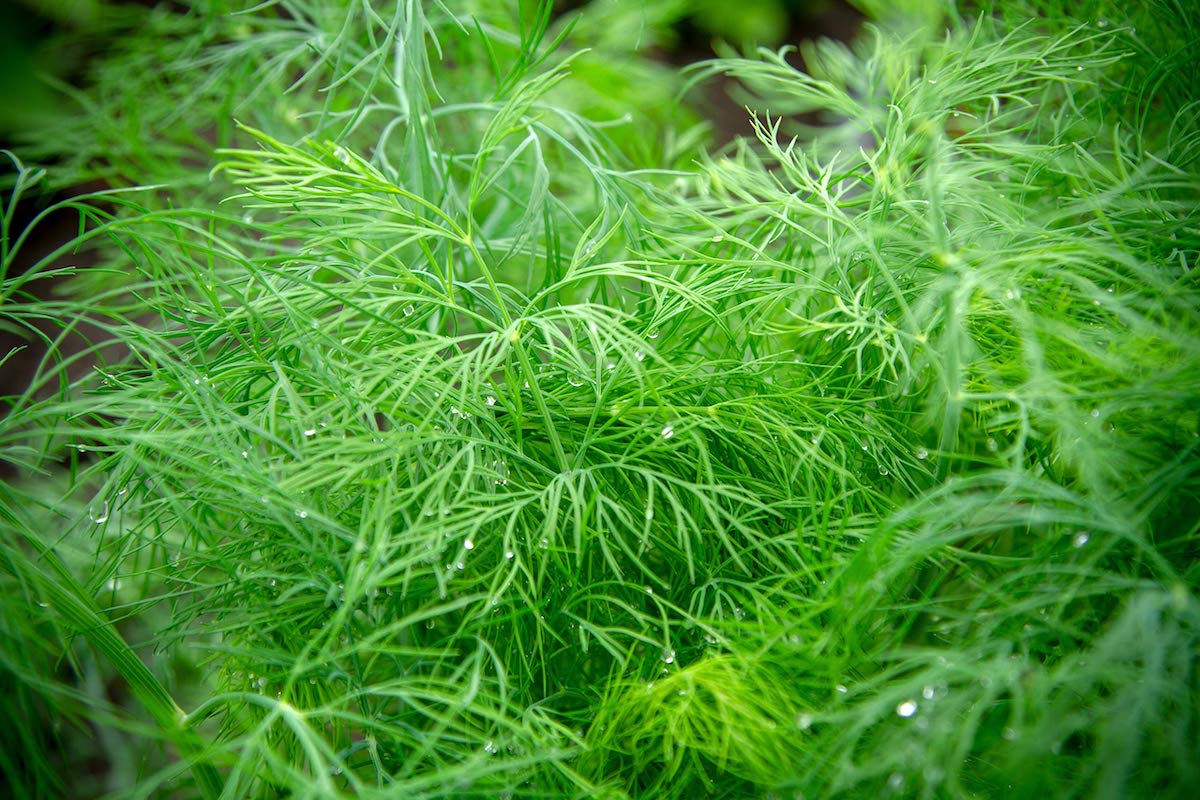
The Wonderful World of Dill Plants
Dill plants, scientifically known as Anethum graveolens, are versatile and aromatic herbs that have been used for culinary and medicinal purposes for centuries. Native to the Mediterranean region, dill is now cultivated worldwide for its flavorful leaves and seeds.
Culinary Uses of Dill
The feathery leaves of the dill plant are commonly used as a fresh herb to add a subtle yet distinctive flavor to a variety of dishes. Dill pairs well with fish, poultry, vegetables, salads, and sauces. It is a key ingredient in pickling recipes, giving pickles their classic tangy flavor.
Medicinal Benefits of Dill
In addition to its culinary uses, dill has been traditionally used in herbal medicine for its various health benefits. It is believed to aid digestion, reduce bloating and gas, alleviate menstrual cramps, and even have antimicrobial properties.
Growing Dill Plants
Dill plants are relatively easy to grow and can thrive in both garden beds and containers. They prefer well-drained soil and full sun exposure. Dill can be grown from seeds sown directly in the ground or transplanted seedlings.
Harvesting Dill
To harvest dill leaves for culinary use, simply snip off the desired amount of fresh leaves from the plant. For harvesting dill seeds, wait until the flower heads turn brown and dry on the plant before collecting them for drying.
Preserving Dill
Dried dill leaves can be stored in an airtight container in a cool, dark place for future use. Dill can also be frozen or preserved in vinegar or oil to retain its flavor for longer periods.
Enjoying the Delightful Flavor of Dill Plants
Whether you use it fresh or dried, dill adds a unique touch to your culinary creations. Consider growing your own dill plants to enjoy their fresh aroma and taste straight from your garden!
7 Essential Tips for Growing Healthy Dill Plants
- Plant dill in well-draining soil with full sun exposure.
- Water dill regularly, keeping the soil consistently moist but not waterlogged.
- Avoid over-fertilizing dill to prevent excessive foliage growth at the expense of flavor.
- Harvest dill leaves when needed by snipping them from the outer parts of the plant.
- Allow some dill plants to flower and go to seed for future harvests or to attract beneficial insects.
- Protect dill from strong winds as it has delicate, feathery leaves that can get damaged easily.
- Rotate planting locations for dill each year to prevent diseases and nutrient depletion in the soil.
Plant dill in well-draining soil with full sun exposure.
To ensure the healthy growth of dill plants, it is recommended to plant them in well-draining soil and provide full sun exposure. Dill thrives in soil that allows excess water to flow away easily, preventing root rot and other water-related issues. Full sun exposure is essential for dill plants to receive an adequate amount of sunlight for photosynthesis and optimal growth. By following these guidelines and providing the right growing conditions, you can cultivate robust and flavorful dill plants in your garden.
Water dill regularly, keeping the soil consistently moist but not waterlogged.
To ensure the healthy growth of dill plants, it is important to water them regularly, maintaining soil moisture at a consistent level. While dill thrives in moist conditions, it is crucial to avoid overwatering that could lead to waterlogged soil. By striking the right balance and keeping the soil consistently moist, dill plants can flourish and produce flavorful leaves and seeds for culinary and medicinal purposes.
Avoid over-fertilizing dill to prevent excessive foliage growth at the expense of flavor.
To ensure optimal flavor in your dill plants, it is important to avoid over-fertilizing them. Excessive use of fertilizer can lead to rapid and excessive foliage growth, which may compromise the flavor of the herb. By maintaining a balanced fertilization regimen and not overfeeding your dill plants, you can help promote healthy growth while preserving the aromatic and flavorful qualities that make dill a beloved herb in culinary applications. Remember, moderation is key when it comes to fertilizing dill for a bountiful harvest of delicious leaves and seeds.
Harvest dill leaves when needed by snipping them from the outer parts of the plant.
When it comes to harvesting dill leaves, a handy tip is to snip them from the outer parts of the plant as needed. By selectively picking the outer leaves, you encourage new growth and ensure a continuous supply of fresh dill for your culinary endeavors. This method allows you to enjoy the vibrant flavor of dill while maintaining the health and productivity of your dill plant for future harvests.
Allow some dill plants to flower and go to seed for future harvests or to attract beneficial insects.
Allowing some of your dill plants to flower and go to seed is a great tip for ensuring future harvests and attracting beneficial insects to your garden. By letting dill plants complete their life cycle, you not only ensure a fresh supply of seeds for future planting but also provide a valuable food source for pollinators such as bees and butterflies. The delicate yellow flowers of dill are not only attractive but also play a crucial role in supporting the ecosystem in your garden. So, consider leaving some dill plants to bloom and set seed to reap the benefits of a thriving garden ecosystem.
Protect dill from strong winds as it has delicate, feathery leaves that can get damaged easily.
To ensure the health and vitality of your dill plants, it is important to protect them from strong winds. Dill plants boast delicate, feathery leaves that are susceptible to damage when exposed to harsh gusts of wind. By providing a sheltered location or using supportive structures, you can safeguard your dill plants from potential harm and allow them to flourish undisturbed, ensuring a bountiful harvest of flavorful leaves and seeds.
Rotate planting locations for dill each year to prevent diseases and nutrient depletion in the soil.
To ensure the health and vitality of your dill plants, it is important to rotate their planting locations annually. By rotating where you plant dill each year, you can help prevent the buildup of diseases in the soil and avoid nutrient depletion. This practice not only promotes the overall well-being of your dill plants but also contributes to maintaining a healthy and productive garden environment.