
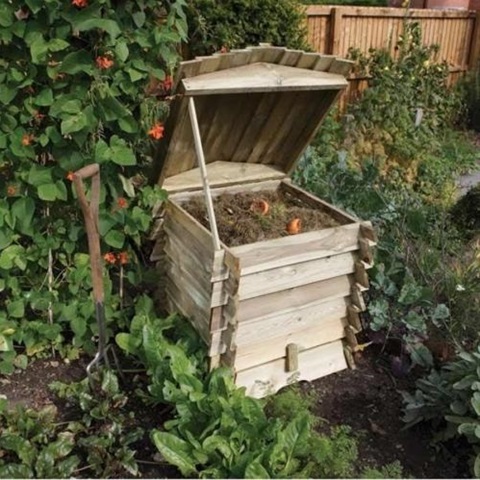
The Benefits of Composting Bins for Your Garden
Composting bins are a valuable tool for any gardener looking to improve their soil quality and reduce waste. These bins provide a controlled environment for organic materials to decompose, resulting in nutrient-rich compost that can be used to nourish plants and improve soil structure.
One of the main benefits of using composting bins is that they help reduce the amount of organic waste that ends up in landfills. By recycling kitchen scraps, yard waste, and other organic materials through composting, you can significantly reduce your carbon footprint and contribute to a more sustainable environment.
In addition to being environmentally friendly, composting bins also offer practical benefits for your garden. The compost produced in these bins is a natural fertilizer that helps enrich the soil with essential nutrients, improving plant growth and overall health. It also helps retain moisture in the soil, reducing the need for frequent watering.
Composting bins come in various sizes and designs to suit different needs and spaces. Whether you have a small urban garden or a large backyard, there is a composting bin option available for you. Some bins are designed to be odor-free and easy to use, making them suitable for households of all sizes.
Overall, investing in a composting bin is a sustainable choice that can benefit both your garden and the environment. By recycling organic waste into nutrient-rich compost, you can create healthier soil, reduce waste sent to landfills, and promote sustainable gardening practices.
Top 5 Benefits of Using Composting Bins for a Greener Future
- Reduce organic waste sent to landfills
- Create nutrient-rich compost for plants
- Improve soil structure and fertility
- Reduce the need for chemical fertilizers
- Contribute to a more sustainable environment
5 Drawbacks of Composting Bins: Pests, Odors, Maintenance, and More
- Composting bins can attract pests such as rodents and insects if not properly managed.
- Inadequate aeration in composting bins can lead to unpleasant odors and slow decomposition.
- Some composting bins require regular maintenance and turning of the compost, which can be time-consuming.
- In colder climates, composting bins may freeze during winter months, slowing down the decomposition process.
- If not placed correctly or maintained properly, composting bins can become unsightly or emit foul smells.
Reduce organic waste sent to landfills
Composting bins play a crucial role in reducing organic waste sent to landfills. By recycling kitchen scraps, yard waste, and other organic materials through composting, these bins help divert valuable resources from ending up in landfills where they would contribute to methane emissions and take up valuable space. Instead, the organic materials decompose in the controlled environment of composting bins, transforming into nutrient-rich compost that can be used to nourish plants and improve soil quality. This process not only minimizes environmental impact but also promotes sustainable practices that benefit both the garden and the planet.
Create nutrient-rich compost for plants
Composting bins are essential for creating nutrient-rich compost that benefits plants in gardens and landscapes. By recycling organic materials such as kitchen scraps, yard waste, and leaves through composting, these bins facilitate the decomposition process to produce a valuable soil amendment. The resulting compost is teeming with essential nutrients that plants need to thrive, promoting healthier growth, stronger root systems, and improved overall resilience to environmental stressors. Incorporating nutrient-rich compost from composting bins into the soil not only enhances plant health but also fosters sustainable gardening practices by reducing the reliance on synthetic fertilizers.
Improve soil structure and fertility
Composting bins play a crucial role in improving soil structure and fertility. By breaking down organic materials into nutrient-rich compost, these bins enrich the soil with essential nutrients that promote plant growth and overall health. The compost acts as a natural fertilizer, enhancing the soil’s ability to retain moisture and support beneficial microbial activity. As a result, using compost from these bins can help create a healthier and more fertile growing environment for plants, leading to improved yields and stronger, more resilient vegetation.
Reduce the need for chemical fertilizers
Composting bins offer the significant advantage of reducing the need for chemical fertilizers in gardening. By producing nutrient-rich compost from organic materials, composting bins provide a natural and sustainable alternative to synthetic fertilizers. This organic compost enriches the soil with essential nutrients, promoting healthier plant growth without relying on harmful chemicals. By incorporating compost from composting bins into the soil, gardeners can maintain soil fertility, improve soil structure, and support a more environmentally friendly approach to gardening that minimizes the use of chemical fertilizers.
Contribute to a more sustainable environment
Composting bins play a crucial role in contributing to a more sustainable environment by diverting organic waste from landfills and reducing greenhouse gas emissions. By recycling kitchen scraps, yard waste, and other organic materials through composting, these bins help minimize the amount of waste that ends up in landfills, where it would otherwise release harmful methane gases into the atmosphere. Instead, composting bins facilitate the natural decomposition of organic matter into nutrient-rich compost that can be used to nourish plants and improve soil quality, promoting a closed-loop system that benefits both the environment and future generations.
Composting bins can attract pests such as rodents and insects if not properly managed.
One potential drawback of composting bins is that they can attract pests like rodents and insects if not managed correctly. Organic materials in the bin can be a food source for unwanted critters, especially if the compost pile contains meat, dairy, or oily foods. To mitigate this issue, it’s essential to properly balance the compost with browns (carbon-rich materials) and greens (nitrogen-rich materials), avoid adding any animal products, and regularly turn and aerate the compost to speed up decomposition and deter pests. Additionally, using a secure lid on the composting bin can help prevent access by rodents and other pests, ensuring a more hygienic and efficient composting process.
Inadequate aeration in composting bins can lead to unpleasant odors and slow decomposition.
Inadequate aeration in composting bins can be a significant drawback, as it can result in unpleasant odors and slow decomposition of organic materials. Without proper airflow within the composting bin, the breakdown of organic matter may be hindered, leading to a longer composting process and the potential for anaerobic conditions that produce foul-smelling gases. To address this con, it is essential to regularly turn and aerate the compost pile to ensure proper oxygen levels and promote efficient decomposition, ultimately reducing odors and accelerating the composting process.
Some composting bins require regular maintenance and turning of the compost, which can be time-consuming.
Some composting bins can be a con for gardeners due to the requirement of regular maintenance and turning of the compost. This process can be time-consuming and labor-intensive, especially for individuals with busy schedules or physical limitations. The need for frequent attention to the composting bin may deter some gardeners from utilizing this method of waste reduction and soil enrichment.
In colder climates, composting bins may freeze during winter months, slowing down the decomposition process.
In colder climates, one significant drawback of composting bins is the potential for them to freeze during the winter months, which can significantly slow down the decomposition process. When temperatures drop below freezing, the microbial activity responsible for breaking down organic materials in the compost slows or ceases altogether. This can prolong the time it takes for materials to fully decompose and produce usable compost, delaying its availability for enriching garden soil or nourishing plants. Gardeners in colder regions may need to take extra measures to insulate or protect their composting bins during winter to maintain an efficient decomposition process throughout the year.
If not placed correctly or maintained properly, composting bins can become unsightly or emit foul smells.
Improper placement or inadequate maintenance of composting bins can lead to unsightly appearances and unpleasant odors. When composting bins are not positioned correctly or managed effectively, they may become an eyesore in your garden or outdoor space. Additionally, the accumulation of organic waste without proper aeration and turning can result in the release of foul smells that can be bothersome to you and your neighbors. It is essential to place composting bins in a well-ventilated area, regularly turn the compost materials, and ensure proper balance of green and brown materials to prevent these issues and maintain a healthy composting process.