
The Importance of Habitats in Supporting Biodiversity
Habitats play a crucial role in supporting biodiversity by providing a home for a wide variety of plant and animal species. A habitat is a specific environment where living organisms thrive and interact with each other and their surroundings.
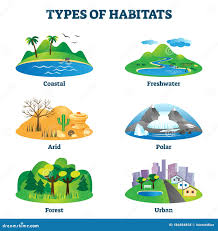
There are various types of habitats, including forests, grasslands, wetlands, deserts, oceans, and more. Each habitat has its own unique characteristics that support different species adapted to those specific conditions.
Healthy habitats are essential for maintaining ecological balance and sustaining life on Earth. They provide food, shelter, breeding grounds, and protection for countless species. When habitats are destroyed or degraded due to human activities such as deforestation, pollution, and urbanization, biodiversity is threatened.
Conserving habitats is critical for preserving biodiversity. Efforts such as habitat restoration, protected area designation, and sustainable land management practices can help safeguard ecosystems and the species that depend on them.
By understanding the importance of habitats in supporting biodiversity, we can work together to protect and restore these vital ecosystems for future generations to enjoy.
Understanding Habitats: Key Questions and Answers on Their Importance, Types, and Conservation
- What is a habitat?
- Why are habitats important for biodiversity?
- How do human activities impact habitats?
- What are the different types of habitats?
- How can we conserve and protect habitats?
- What role do habitats play in the survival of species?
- What are some examples of endangered habitats?
What is a habitat?
A habitat is a specific environment where living organisms, including plants and animals, naturally exist and interact with their surroundings. It provides the necessary conditions for species to thrive, including food sources, shelter, water, and suitable climate. Habitats can vary widely, from lush forests to barren deserts, each supporting a unique array of species adapted to those specific conditions. Understanding the concept of a habitat is essential in recognizing the interconnectedness of ecosystems and the importance of preserving these diverse environments to support biodiversity.
Why are habitats important for biodiversity?
Habitats are crucial for biodiversity because they provide a diverse range of environments where various plant and animal species can thrive and coexist. Different habitats offer unique resources such as food, shelter, breeding grounds, and protection that support the survival of a wide array of species. By preserving habitats, we ensure the continuation of complex ecological relationships and the interdependence of different organisms within ecosystems. Without healthy habitats, biodiversity would be severely compromised, leading to the loss of species diversity and disrupting the balance of nature. Protecting habitats is essential for maintaining a rich variety of life forms on Earth and sustaining the intricate web of life that supports all living beings.
How do human activities impact habitats?
Human activities have a significant impact on habitats worldwide. Deforestation, urbanization, pollution, overfishing, and climate change are just a few examples of how human actions can degrade and destroy habitats. These activities lead to habitat loss, fragmentation, and degradation, threatening the survival of countless plant and animal species. By altering natural ecosystems, humans disrupt the delicate balance of biodiversity and ecosystem services that habitats provide. It is essential for us to recognize the consequences of our actions and work towards sustainable practices to mitigate the negative impacts on habitats and preserve biodiversity for future generations.
What are the different types of habitats?
There are various types of habitats found across the world, each characterized by unique environmental conditions that support specific plant and animal species. Some common types of habitats include forests, grasslands, wetlands, deserts, oceans, rivers, and mountains. Forests provide a diverse range of ecosystems, from tropical rainforests to temperate woodlands, supporting a wide array of flora and fauna. Grasslands are vast open spaces dominated by grasses and are home to grazing animals like bison and zebras. Wetlands encompass areas like marshes and swamps that are rich in biodiversity and provide essential habitat for waterfowl and amphibians. Deserts are arid regions with sparse vegetation adapted to extreme heat and limited water availability. Oceans cover the majority of the Earth’s surface and host diverse marine life in habitats such as coral reefs, kelp forests, and deep-sea trenches. Rivers support aquatic species like fish and amphibians in flowing freshwater habitats. Mountains offer unique habitats at different elevations, each with its own specialized plant and animal communities. Understanding the diversity of habitats is crucial for conservation efforts aimed at protecting global biodiversity.
How can we conserve and protect habitats?
Conserving and protecting habitats is crucial for preserving biodiversity and maintaining healthy ecosystems. There are several ways we can contribute to habitat conservation efforts. One effective approach is to support and participate in habitat restoration projects that aim to rehabilitate degraded areas and create suitable environments for native species. Another important step is to advocate for the protection of natural habitats through policies and regulations that limit destructive human activities such as deforestation, pollution, and overdevelopment. Additionally, practicing sustainable land management techniques, promoting responsible eco-tourism, and engaging in community-based conservation initiatives can all play a significant role in safeguarding habitats for future generations. By working together and taking proactive measures to conserve and protect habitats, we can help ensure the long-term health and diversity of our planet’s ecosystems.
What role do habitats play in the survival of species?
Habitats play a fundamental role in the survival of species by providing essential resources and conditions for their existence. A habitat serves as a living space where species can find food, water, shelter, and suitable environmental conditions to thrive and reproduce. Different species have evolved to adapt to specific habitats, depending on their unique needs and characteristics. When habitats are intact and healthy, they support a diverse array of species, creating interconnected ecosystems that promote biodiversity and resilience. Protecting habitats is crucial for ensuring the survival of species and maintaining the delicate balance of nature.
What are some examples of endangered habitats?
Numerous habitats around the world are facing the threat of endangerment due to human activities and climate change. Some examples of endangered habitats include tropical rainforests, coral reefs, mangrove forests, polar regions, and grasslands. These habitats are home to a diverse range of plant and animal species that are at risk of extinction if their habitats continue to be degraded or destroyed. Conservation efforts are crucial in protecting these endangered habitats and preserving the biodiversity they support for future generations.