
African Marigold Seeds: How to Plant and Grow Bright, Long-Lasting Blooms
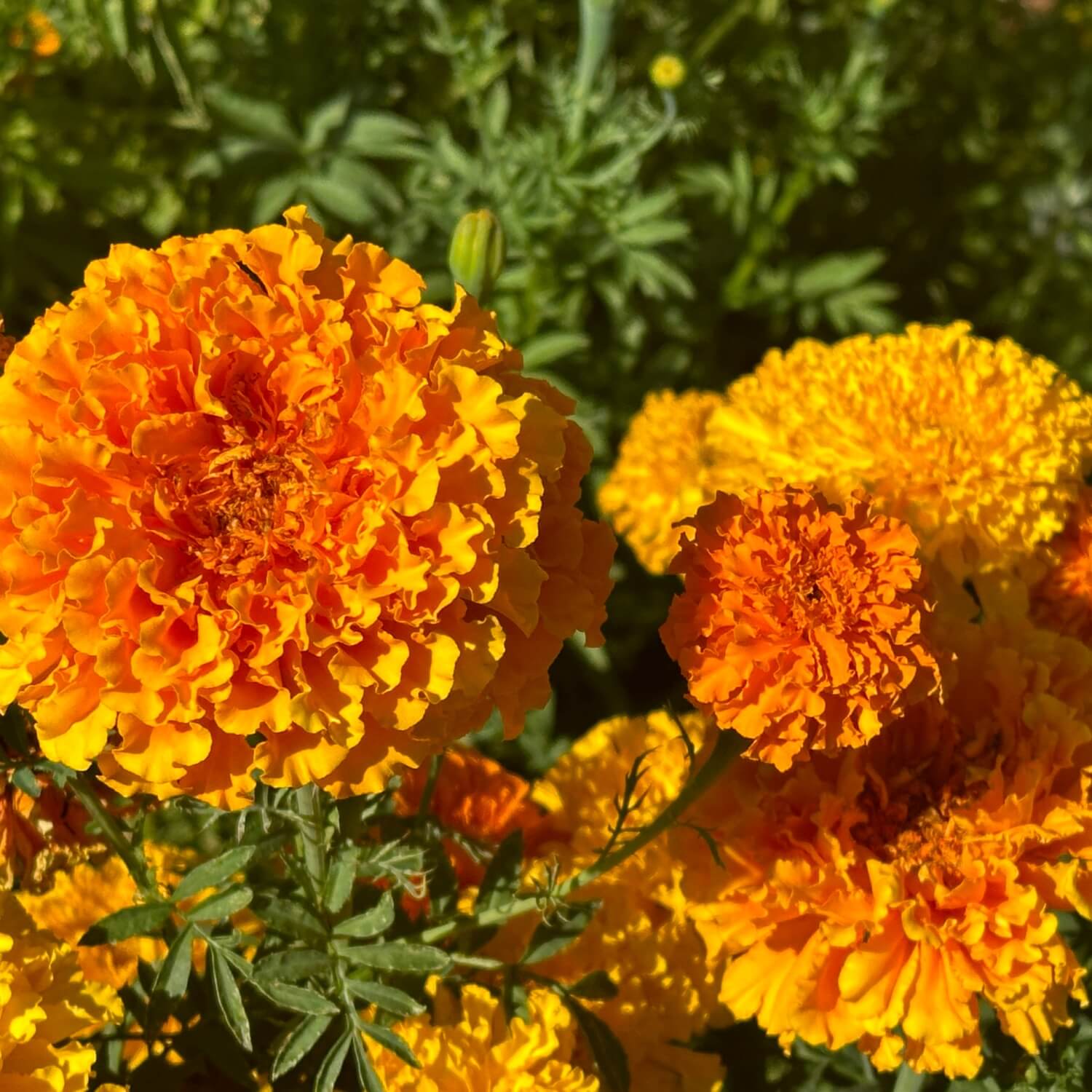
African marigolds bring bold color and an easygoing nature to gardens, borders, and containers. Grown from seed, these annual flowers produce large, often pompom-shaped blooms in shades of yellow, gold, and orange. Despite their common name, African marigolds (Tagetes erecta) are native to the Americas. They are also sometimes called Aztec or Mexican marigolds.
Choosing African Marigold Seeds
African marigold varieties vary in height, flower size, and color. Some compact types suit containers and the front of a flower bed, while taller varieties make striking back-border plants or cut flowers. Check the seed packet for the variety’s mature height and recommended spacing before planting.
For the best selection, buy fresh seeds from a reputable supplier and store unused seeds in a cool, dry place. Marigolds are generally easy to grow, making them a good choice for new gardeners as well as experienced growers.
When to Plant African Marigold Seeds
Start seeds indoors about four to six weeks before your area’s last expected spring frost. Alternatively, sow them directly in the garden after the danger of frost has passed and the soil has begun to warm. Marigolds are frost-sensitive, so wait for reliably mild weather before planting seedlings outdoors.
How to Sow the Seeds
- Prepare the soil or seed-starting mix. Use a loose, well-draining mix for indoor sowing, or choose a garden bed that drains well.
- Sow shallowly. Plant seeds about 1/4 inch deep and cover them lightly.
- Keep the mix moist. Water gently so the seeds stay damp but are not sitting in soggy soil.
- Provide warmth and light. Seeds usually sprout in about five to ten days under warm conditions. Once seedlings emerge, give them plenty of bright light.
- Harden off indoor seedlings. Gradually introduce them to outdoor conditions over several days before transplanting.
- Space plants appropriately. Follow the seed packet’s directions; larger varieties generally need more room than compact ones.
Growing and Caring for African Marigolds
Plant African marigolds in a location that receives full sun for most of the day. They grow in a range of garden soils, provided the soil drains well. Water young plants regularly while they establish. Afterward, water when the soil begins to dry, aiming the water at the base of the plant when possible.
Too much fertilizer, particularly nitrogen, can encourage leafy growth at the expense of flowers. A moderately fertile bed is often enough. Remove faded blooms to encourage continued flowering and keep plants looking tidy. Tall varieties may benefit from shelter or support in windy locations.
Saving Seeds for Next Year
To save seeds, leave a few healthy flowers on the plant until the flower heads dry and turn brown. Remove the dry heads, separate the long, narrow seeds, and let them dry completely indoors. Store them in a labeled paper envelope in a cool, dry place. Seeds saved from hybrid varieties may not grow into plants that look exactly like the parent.
Common Questions
Can African marigolds grow in containers?
Yes. Choose a container with drainage holes and select a variety suited to its size. Container-grown plants may need more frequent watering than those in garden beds.
Do African marigolds keep garden pests away?
Marigolds are sometimes planted alongside vegetables, but they should not be relied on as a guaranteed pest-control method. Their effect can depend on the pest, plant variety, and growing conditions.
How long do African marigolds bloom?
With warm weather, regular watering, and removal of faded flowers, they can bloom from summer into fall, often continuing until frost.
A Colorful Garden Favorite
African marigold seeds offer a simple way to grow cheerful, substantial blooms for garden beds, borders, and bouquets. Give the plants sun, well-drained soil, and room to grow, and they can provide vibrant color throughout the warm season.
African Marigold Seeds: 6 FAQs About Planting, Germination, Sunlight, and Seed Saving
- When should I plant African marigold seeds?
- How deep should I plant African marigold seeds?
- How long do African marigold seeds take to germinate?
- Can I sow African marigold seeds directly in the garden?
- How much sunlight do African marigolds grown from seed need?
- How do I save African marigold seeds for next year?
When should I plant African marigold seeds?
Plant African marigold seeds indoors about four to six weeks before your area’s last expected spring frost, or sow them directly in the garden once the danger of frost has passed and the soil has warmed. Because marigolds are sensitive to cold, wait until nighttime temperatures are consistently mild before moving indoor seedlings outside.
How deep should I plant African marigold seeds?
Plant African marigold seeds about 1/4 inch deep, then cover them lightly with soil or seed-starting mix. Water gently to keep the soil evenly moist, but not soggy, until the seeds sprout—usually within about five to ten days in warm conditions.
How long do African marigold seeds take to germinate?
African marigold seeds typically germinate in about 5 to 10 days when kept warm and evenly moist. For best results, sow them about ¼ inch deep in a well-draining seed-starting mix and maintain a temperature of around 70–75°F. Avoid waterlogged soil, which can cause seeds to rot, and provide bright light once the seedlings emerge.
Can I sow African marigold seeds directly in the garden?
Yes, African marigold seeds can be sown directly in the garden after the danger of frost has passed and the soil has warmed. Choose a sunny spot with well-drained soil, sow the seeds about 1/4 inch deep, and keep the soil evenly moist until they sprout, usually within five to ten days. Thin the seedlings according to the spacing recommended on the seed packet so mature plants have room to grow.
How much sunlight do African marigolds grown from seed need?
African marigolds grown from seed need full sun—ideally at least six hours of direct sunlight each day—to grow sturdy plants and produce abundant blooms. Choose a bright, open spot in the garden, or place indoor seedlings near a sunny window and provide supplemental grow light if needed. In very hot climates, a little afternoon shade can help protect plants from intense heat.
How do I save African marigold seeds for next year?
To save African marigold seeds, leave a few flower heads on the plant until the petals fade and the heads turn dry and brown. Remove the heads, pull out the long, narrow seeds, and spread them out to dry completely in a cool, airy place. Store the seeds in a labeled paper envelope in a cool, dry, dark location until spring. Seeds saved from hybrid varieties may not produce plants that look like the parent.