
The Beauty of the Sourwood Tree
The sourwood tree, scientifically known as Oxydendrum arboreum, is a stunning native tree found in the eastern United States. Known for its unique characteristics and ornamental value, the sourwood tree is a favorite among gardeners and nature enthusiasts.
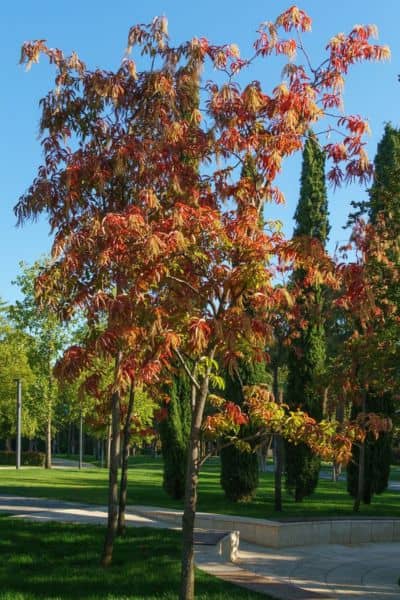
One of the most distinctive features of the sourwood tree is its beautiful foliage. The leaves turn a vibrant red, purple, or yellow in the fall, creating a striking display of color in any landscape. In addition to its colorful foliage, the sourwood tree produces delicate white flowers that hang in clusters, attracting bees and other pollinators.
Another appealing aspect of the sourwood tree is its attractive bark. The bark of mature trees develops a scaly texture and ranges in color from gray to reddish-brown, adding visual interest to the tree year-round.
Aside from its aesthetic appeal, the sourwood tree also has cultural significance. In some regions, sourwood honey is highly prized for its unique flavor profile derived from the nectar of sourwood tree flowers. This honey is often sought after by connoisseurs and used in gourmet cooking and baking.
When considering planting a sourwood tree in your garden or landscape, it’s important to choose a location with well-drained soil and partial shade. The sourwood tree thrives in moist, acidic soil and benefits from protection from harsh sunlight.
Overall, the sourwood tree is a valuable addition to any garden or natural area. With its stunning foliage, attractive bark, and ecological importance as a food source for pollinators, this native tree brings beauty and biodiversity to landscapes across the eastern United States.
Sourwood Trees: Growth, Unique Traits, Name Origin, Drawbacks, and Sunlight Preferences
- How big do sourwood trees grow?
- What is special about sourwood trees?
- Why is it called a sourwood tree?
- What are the cons of sourwood trees?
- Does sourwood like sun or shade?
How big do sourwood trees grow?
The sourwood tree, scientifically known as Oxydendrum arboreum, typically grows to a height of 25 to 30 feet, with a spread of about 20 feet. However, under optimal growing conditions, some sourwood trees can reach heights of up to 50 feet. It is considered a medium-sized tree, making it suitable for smaller landscapes and gardens while still providing ample shade and ornamental value. Proper pruning and care can help maintain the desired size and shape of the sourwood tree in a garden setting.
What is special about sourwood trees?
The sourwood tree, also known as Oxydendrum arboreum, is cherished for its unique attributes that set it apart from other trees. One of the most remarkable features of sourwood trees is their stunning fall foliage, which transforms into vibrant hues of red, purple, or yellow, creating a breathtaking display in the autumn landscape. Additionally, the delicate white flowers that adorn the tree in clusters not only add to its ornamental value but also serve as a vital food source for bees and other pollinators. Furthermore, the attractive bark of mature sourwood trees, with its scaly texture and varying shades of gray to reddish-brown, contributes to the tree’s year-round visual appeal. Overall, the combination of colorful foliage, beautiful flowers, and distinctive bark makes sourwood trees truly special and sought after by gardeners and nature enthusiasts alike.
Why is it called a sourwood tree?
The sourwood tree derives its name from the taste of its leaves, which have a slightly acidic or “sour” flavor when chewed. This unique characteristic is where the tree gets its common name, “sourwood.” While the leaves are not typically consumed by humans, they serve as food for certain wildlife species. The sourwood tree’s distinct name adds to its charm and intrigue, making it a topic of interest for those curious about the natural world and the origins of plant names.
What are the cons of sourwood trees?
While sourwood trees are prized for their beauty and ecological value, there are some potential drawbacks to consider. One common concern with sourwood trees is their slow growth rate, which may require patience for those looking for quick results in landscaping projects. Additionally, the shallow root system of sourwood trees can make them sensitive to drought conditions, requiring regular watering during dry periods. Some gardeners also note that the flowers of sourwood trees can attract bees, which may be a consideration for individuals with bee allergies or sensitivities. Despite these potential cons, many still find the unique beauty and benefits of sourwood trees outweigh any drawbacks.
Does sourwood like sun or shade?
The sourwood tree thrives best in partial shade to full sun conditions. While it can tolerate some shade, providing it with ample sunlight will promote optimal growth and flowering. Planting the sourwood tree in a location that receives at least 6 hours of sunlight per day is recommended for the tree to flourish and showcase its beautiful foliage and flowers. Additionally, ensuring well-drained soil and adequate moisture levels will contribute to the overall health and vitality of the sourwood tree.