
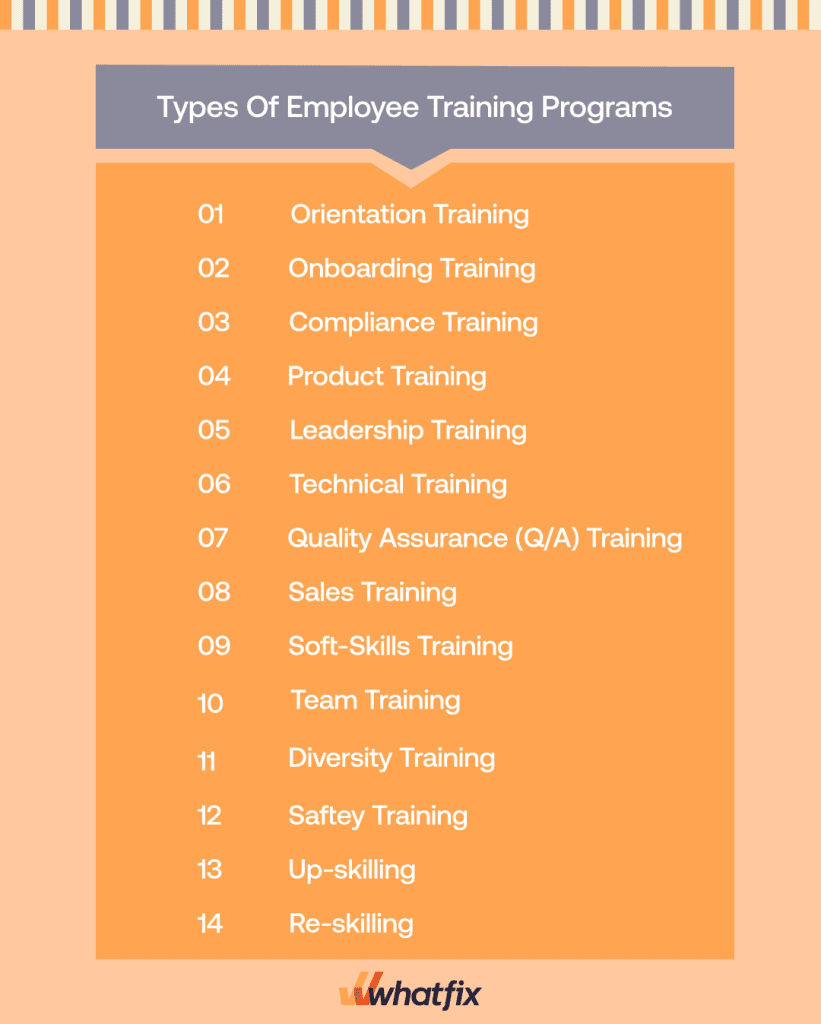
The Importance of Training Programs
Training programs play a crucial role in the development and success of individuals and organizations. Whether it’s enhancing skills, increasing knowledge, or improving performance, training programs are essential for personal and professional growth.
One key benefit of training programs is their ability to provide individuals with the necessary tools and resources to excel in their roles. By offering targeted training sessions, organizations can ensure that their employees are equipped with the latest industry knowledge and best practices.
Furthermore, training programs can boost employee morale and motivation. When employees feel supported through training opportunities, they are more likely to feel valued and engaged in their work. This can lead to increased productivity and job satisfaction.
From a business perspective, investing in training programs can result in long-term benefits such as improved performance, reduced turnover rates, and enhanced competitiveness. Organizations that prioritize employee development through training programs are better positioned to adapt to changing market demands and stay ahead of the competition.
In conclusion, training programs are instrumental in fostering continuous learning and growth for individuals and organizations alike. By investing in quality training initiatives, businesses can empower their employees to reach their full potential and achieve greater success.
8 Benefits of Training Programs: Elevating Skills, Performance, and Employee Engagement
- Enhance skills and knowledge
- Improve job performance
- Boost employee morale and motivation
- Increase productivity
- Reduce turnover rates
- Stay competitive in the market
- Foster continuous learning
- Empower individuals to reach their full potential
Challenges of Training Programs: Balancing Costs, Time, and Effectiveness
- Costly to implement and maintain, especially for small businesses with limited budgets.
- Time-consuming for both employees and trainers, potentially impacting daily operations.
- May not always align with the specific needs or learning styles of all participants.
- Risk of information overload if training sessions are too dense or lengthy.
- Difficulty in measuring the direct impact of training programs on individual performance or organizational success.
Enhance skills and knowledge
Training programs are invaluable in enhancing skills and knowledge among individuals. By providing targeted learning opportunities, training programs enable participants to acquire new competencies, refine existing skills, and deepen their understanding of specific subject areas. Through hands-on practice, theoretical instruction, and interactive learning experiences, individuals can expand their expertise and stay abreast of industry trends. This continual development of skills and knowledge not only benefits the individual’s personal growth but also contributes to increased efficiency, productivity, and innovation within organizations.
Improve job performance
Training programs play a vital role in improving job performance by equipping individuals with the necessary knowledge, skills, and tools to excel in their roles. Through targeted training sessions, employees can enhance their expertise, stay updated on industry best practices, and learn new techniques to perform their tasks more effectively. As a result, improved job performance not only benefits the individual by boosting confidence and job satisfaction but also contributes to the overall success and productivity of the organization.
Boost employee morale and motivation
Training programs have the remarkable ability to boost employee morale and motivation within an organization. By providing opportunities for skill development and personal growth, training initiatives show employees that their professional development is valued and supported. When employees feel empowered through training programs, they are more likely to feel motivated, engaged, and committed to their work. This increased sense of morale can lead to higher job satisfaction, improved performance, and a positive work environment where employees are inspired to excel.
Increase productivity
Training programs have been shown to significantly increase productivity in the workplace. By providing employees with the knowledge and skills necessary to perform their tasks more efficiently, training programs help streamline processes, reduce errors, and enhance overall job performance. When employees are well-trained and confident in their abilities, they can complete tasks more quickly and effectively, leading to higher productivity levels across the organization. Additionally, ongoing training ensures that employees stay up-to-date on the latest industry trends and technologies, further boosting their productivity and contributing to the overall success of the business.
Reduce turnover rates
Training programs play a crucial role in reducing turnover rates within organizations. By providing employees with opportunities for skill development and career advancement, training programs help increase job satisfaction and employee engagement. When employees feel supported and invested in through training initiatives, they are more likely to stay loyal to their organization, leading to lower turnover rates. This not only saves businesses the costs associated with recruiting and training new employees but also fosters a more stable and productive work environment.
Stay competitive in the market
Training programs are essential for organizations to stay competitive in the market. By providing employees with the latest industry knowledge, skills, and tools through training initiatives, companies can ensure that their workforce is well-equipped to adapt to changing market trends and demands. This continuous investment in employee development not only enhances the organization’s capabilities but also positions them as a leader in their industry, giving them a competitive edge over rivals. In today’s fast-paced business environment, staying ahead of the curve requires a commitment to ongoing training and skill-building to remain relevant and competitive in the market.
Foster continuous learning
Training programs play a vital role in fostering continuous learning among individuals and organizations. By providing opportunities for ongoing education and skill development, training programs enable individuals to stay current with industry trends, expand their knowledge base, and enhance their expertise. This focus on continuous learning not only benefits individuals by keeping them engaged and motivated, but also helps organizations adapt to changing environments, improve overall performance, and maintain a competitive edge in the market. Embracing a culture of lifelong learning through training programs ensures that both individuals and organizations remain agile, innovative, and well-equipped to succeed in today’s dynamic world.
Empower individuals to reach their full potential
Training programs have the incredible ability to empower individuals to reach their full potential. By providing access to knowledge, skills, and resources, training programs equip individuals with the tools they need to excel in their personal and professional lives. Through targeted learning opportunities and development initiatives, individuals can enhance their capabilities, build confidence, and unlock new opportunities for growth and success. Training programs not only expand one’s skill set but also instill a sense of empowerment and self-assurance that propels them towards achieving their goals and realizing their full potential.
Costly to implement and maintain, especially for small businesses with limited budgets.
Training programs can pose a significant challenge for small businesses with limited budgets due to the high costs associated with their implementation and maintenance. From developing training materials to hiring trainers and allocating resources for employee participation, the financial burden of training programs can strain the already tight finances of small businesses. The ongoing costs of updating and adapting training content to keep up with industry trends and regulations further add to the financial challenges faced by small businesses. As a result, the expense of implementing and sustaining training programs can be a considerable con for small businesses looking to invest in employee development.
Time-consuming for both employees and trainers, potentially impacting daily operations.
One significant drawback of training programs is their time-consuming nature, which can pose challenges for both employees and trainers. The time commitment required for training sessions can disrupt daily operations and workflow, leading to potential productivity losses. Employees may struggle to balance their regular job responsibilities with attending training sessions, while trainers may find it challenging to allocate sufficient time for preparing and delivering effective training. This con highlights the importance of carefully planning and scheduling training programs to minimize disruptions and ensure that the benefits of training outweigh the associated time constraints.
May not always align with the specific needs or learning styles of all participants.
One notable drawback of training programs is that they may not always align with the specific needs or learning styles of all participants. Individuals have unique preferences and requirements when it comes to acquiring new knowledge and skills, and a one-size-fits-all approach to training may not effectively cater to everyone. This lack of alignment can result in some participants feeling disengaged or struggling to fully grasp the material being presented. As a result, there is a risk that the effectiveness of the training program could be diminished for certain individuals, ultimately hindering their ability to benefit fully from the learning experience.
Risk of information overload if training sessions are too dense or lengthy.
One significant drawback of training programs is the risk of information overload when training sessions are overly dense or lengthy. When participants are bombarded with too much information in a short period, they may struggle to absorb and retain key concepts effectively. This can lead to confusion, reduced comprehension, and ultimately hinder the overall learning experience. To mitigate this con, it is essential for training organizers to strike a balance between delivering comprehensive content and allowing sufficient time for participants to digest and apply the knowledge acquired.
Difficulty in measuring the direct impact of training programs on individual performance or organizational success.
One significant con of training programs is the challenge in measuring the direct impact of these programs on individual performance or organizational success. Unlike more tangible metrics such as sales figures or production output, assessing the effectiveness of training initiatives can be complex and subjective. Factors such as varying learning styles, external influences, and long-term behavioral changes make it difficult to attribute specific outcomes solely to a training program. This lack of clear causation can hinder efforts to evaluate the return on investment of training programs and may lead to uncertainty regarding their overall impact on performance and success.