
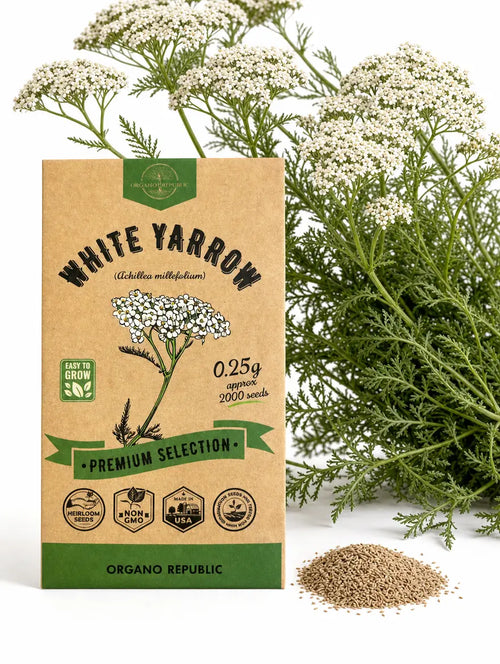
The Beauty and Benefits of Yarrow Seeds
Yarrow, scientifically known as Achillea millefolium, is a versatile and hardy perennial plant that is prized for its feathery foliage and clusters of colorful flowers. Growing yarrow from seeds is a rewarding experience that allows you to enjoy the plant’s beauty while reaping its many benefits.
Why Choose Yarrow Seeds?
Yarrow seeds offer gardeners the opportunity to cultivate this resilient plant in their own outdoor spaces. Yarrow is known for its drought tolerance, making it an excellent choice for low-maintenance landscapes. Additionally, yarrow attracts beneficial insects such as butterflies and bees, making it a valuable addition to pollinator gardens.
How to Grow Yarrow from Seeds
To grow yarrow from seeds, start by sowing the seeds in well-draining soil in a sunny location. Yarrow seeds are small and should be lightly covered with soil. Keep the soil consistently moist until germination occurs, typically within 14-21 days. Once established, yarrow requires minimal watering and maintenance.
Uses of Yarrow
Besides its ornamental value, yarrow has been used for centuries for its medicinal properties. The plant’s leaves and flowers have been traditionally used to make teas, tinctures, and salves for various ailments. Yarrow is also valued for its ability to attract beneficial insects to the garden.
In Conclusion
Yarrow seeds offer both aesthetic beauty and practical benefits for gardeners looking to enhance their outdoor spaces. Whether you are drawn to yarrow for its vibrant blooms or its ecological contributions, growing yarrow from seeds can be a fulfilling gardening experience.
5 Essential Tips for Successfully Growing Yarrow from Seeds
- Yarrow seeds can be sown directly in the garden in early spring or fall.
- Ensure that the soil is well-draining and located in a sunny spot for optimal growth.
- Keep the soil consistently moist until the yarrow seeds germinate, usually within 14-21 days.
- Thin out seedlings to allow proper spacing for mature plants to thrive.
- Yarrow is a resilient plant but may benefit from occasional fertilization during the growing season.
Yarrow seeds can be sown directly in the garden in early spring or fall.
Yarrow seeds provide gardeners with the flexibility to sow them directly in the garden either in early spring or fall. By planting yarrow seeds directly into the soil, gardeners can witness the natural growth process of these resilient plants without the need for indoor seed starting. This method allows yarrow to acclimate to its environment from an early stage, leading to stronger and more robust plants that will thrive in their outdoor setting.
Ensure that the soil is well-draining and located in a sunny spot for optimal growth.
To ensure successful growth of yarrow seeds, it is crucial to plant them in soil that is well-draining and to choose a sunny location. Yarrow thrives in well-drained soil as it helps prevent waterlogging, which can lead to root rot. Additionally, placing yarrow in a sunny spot provides the plant with the necessary sunlight for optimal growth and blooming. By following these simple tips, you can create an ideal environment for your yarrow seeds to flourish and thrive in your garden.
Keep the soil consistently moist until the yarrow seeds germinate, usually within 14-21 days.
To ensure successful germination of yarrow seeds, it is crucial to maintain consistent soil moisture levels during the initial stages of growth. By keeping the soil consistently moist, typically for a period of 14-21 days, gardeners can create optimal conditions for the seeds to sprout and establish healthy roots. This attentive care during the germination process sets the foundation for robust yarrow plants that will thrive in the garden environment.
Thin out seedlings to allow proper spacing for mature plants to thrive.
To ensure the healthy growth of yarrow plants, it is essential to thin out the seedlings to provide adequate spacing for mature plants to thrive. By thinning out the seedlings, you allow each plant ample room to develop strong root systems and access to sunlight and nutrients. Proper spacing not only promotes better air circulation, reducing the risk of diseases, but also prevents overcrowding that can lead to competition for resources among plants. Thinning out yarrow seedlings is a simple yet crucial step in cultivating robust and flourishing yarrow plants in your garden.
Yarrow is a resilient plant but may benefit from occasional fertilization during the growing season.
Yarrow, known for its resilience, can thrive with minimal care; however, occasional fertilization during the growing season can enhance its growth and overall health. Providing yarrow with a balanced fertilizer rich in nutrients can help promote robust foliage and vibrant blooms, ensuring that this hardy perennial continues to flourish in your garden.